

C'è un libro dentro ognuno di noi.....
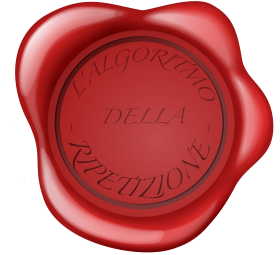
David Twinss la Storia
David Twinss L'algoritmo della Ripetizione Come due Davide hanno hackerato il self-help all’italiana. C’è una storia che gira in queste settimane tra gli scaffali di Amazon e i reel di Instagram, una storia così pulita, così essenziale, che quasi stona nel frastuono dei guru e dei coach che ti vendono il successo in pillole da 1000 euro. Si chiama David Twinss. Non è una persona. È un’invenzione. Ed è, forse, l’invenzione più onesta che il mercato italiano del self-help abbia partorito negli ultimi vent’anni. Tutto nasce da un’intuizione banale e quindi geniale: i libri di crescita personale sono bellissimi, lucidissimi, pieni di grafici, citazioni motivazionali e promesse iperboliche. Ma nessuno ti dice da dove cominciare. Sono atlanti senza il “tu sei qui”. Sono ricette senza la lista della spesa. Sono, in una parola, teorici. Allora uno dei due Davide – quello che scrive, l’altro è il mago del web – ha avuto un’illuminazione: e se il libro fosse quasi vuoto? Se invece di riempirti la testa di concetti, ti lasciasse lo spazio per scrivere tu il tuo concetto? Se invece di dirti “devi fare così”, ti sussurrasse soltanto: “scrivi cosa vorresti fare. Poi fallo. Ripetilo. Ancora. Ancora? È nato così L’Algoritmo della Ripetizione. Non un libro da leggere. Un libro da usare. Un quaderno con una copertina fighissima, qualche pagina di istruzioni minimali e poi centinaia di pagine bianche dove l’unico autore possibile sei Tu. Un oggetto che ribalta la logica: non è David Twinss a insegnarti qualcosa, sei tu che insegni a David Twinss chi sei e cosa vuoi. Geniale, no? Il Volume 1 è il “Do it”. Il Volume 2, già pronto, sarà il “How?”. Perché una volta che hai scritto nero su bianco il tuo desiderio, la domanda successiva è inevitabile: e adesso come cavolo si fa? E lì parte il secondo giro di ripetizione, di domande, di micro-azioni, di ostinata testardaggine. David Twinss non esiste. Sono due amici d’infanzia, entrambi Davide, che hanno deciso di giocare la partita più furba del mercato: creare un brand che non ha bisogno di un volto, perché il volto lo metti tu quando ci scrivi dentro. Hanno aperto il sito, i profili social, venduto libri e agende, e adesso con l'arrivo dell'intelligenza artificiale hanno progettato addirittura un avatar digitale. Un personaggio che vivrà di vita propria. Un Bukowski 3.0 che invece di ubriacarsi al bar, ti ricorda di scrivere sulle pareti se non hai la macchina da scrivere. E qui sta la bellezza pura della storia: in un’epoca di personal branding ossessivo, di facce ovunque, di “seguimi che ti cambio la vita”, questi due hanno inventato un autore che non vuole essere visto. Vogliono solo che tu smetta di leggere e inizi a fare. Che tu prenda un libro quasi bianco e lo riempia fino a farlo traboccare – stavolta di te. Non so se L’Algoritmo della Ripetizione cambierà il mondo. So che è una delle cose più eleganti, più punk e più sincere che il self-help italiano abbia mai prodotto. È la prova che a volte la risposta più potente non è un manuale di 300 pagine, ma una pagina bianca con scritto sopra, in carattere piccolo piccolo: «Tok tok. Ora tocca a te.»
Do it.
David Twinss Story
David Twinss – The Algorithm of Repetition
How two Davides hacked Italian self-help.
There’s a story making the rounds these weeks on Amazon’s shelves and Instagram reels, a story so clean, so essential, that it almost feels out of place in the noise of gurus and coaches selling success in €1000 pills. It’s called David Twinss. It’s not a person. It’s an invention. And perhaps, it’s the most honest invention the Italian self-help market has produced in the last twenty years.
It all started with a banal—and therefore brilliant—intuition: personal growth books are beautiful, glossy, full of charts, motivational quotes, and hyperbolic promises. But no one tells you where to begin. They’re atlases without the “you are here.” Recipes without the shopping list. In a word: theoretical.
So one of the two Davides—the one who writes, the other is the web wizard—had a revelation: what if the book were almost empty? What if, instead of filling your head with concepts, it left you space to write your own concept? What if, instead of telling you “you must do this,” it simply whispered: “write what you want to do. Then do it. Repeat it. Again. Again?”
That’s how The Algorithm of Repetition was born. Not a book to read. A book to use. A notebook with a killer cover, a few pages of minimal instructions, and then hundreds of blank pages where the only possible author is You. An object that flips the logic: it’s not David Twinss teaching you something, it’s you teaching David Twinss who you are and what you want. Brilliant, right?
Volume 1 is the “Do it.” Volume 2, already ready, will be the “How?” Because once you’ve written your desire in black and white, the next question is inevitable: and now how the hell do I do it? And that’s where the second round begins—of repetition, of questions, of micro-actions, of stubborn persistence.
David Twinss doesn’t exist. They’re two childhood friends, both named Davide, who decided to play the smartest game in the market: create a brand that doesn’t need a face, because the face is yours when you write inside it. They launched the website, the social profiles, sold books and planners, and now, with the arrival of artificial intelligence, they’ve even designed a digital avatar. A character that will live a life of its own. A Bukowski 3.0 who, instead of getting drunk at the bar, reminds you to write on the walls if you don’t have a typewriter.
And here lies the pure beauty of the story: in an era of obsessive personal branding, of faces everywhere, of “follow me and I’ll change your life,” these two invented an author who doesn’t want to be seen. They only want you to stop reading and start doing. To take a nearly blank book and fill it until it overflows—this time with you.
I don’t know if The Algorithm of Repetition will change the world. I do know it’s one of the most elegant, most punk, and most sincere things Italian self-help has ever produced. Proof that sometimes the most powerful answer isn’t a 300-page manual, but a blank page with a tiny line written on top:
“Tik Tok. Now it’s your turn.”
Do it.